ANALOG FILMS: DISCOVER ALL THE FORMATS
Published :
03/12/2026 17:05:50
Categories :
Lab news
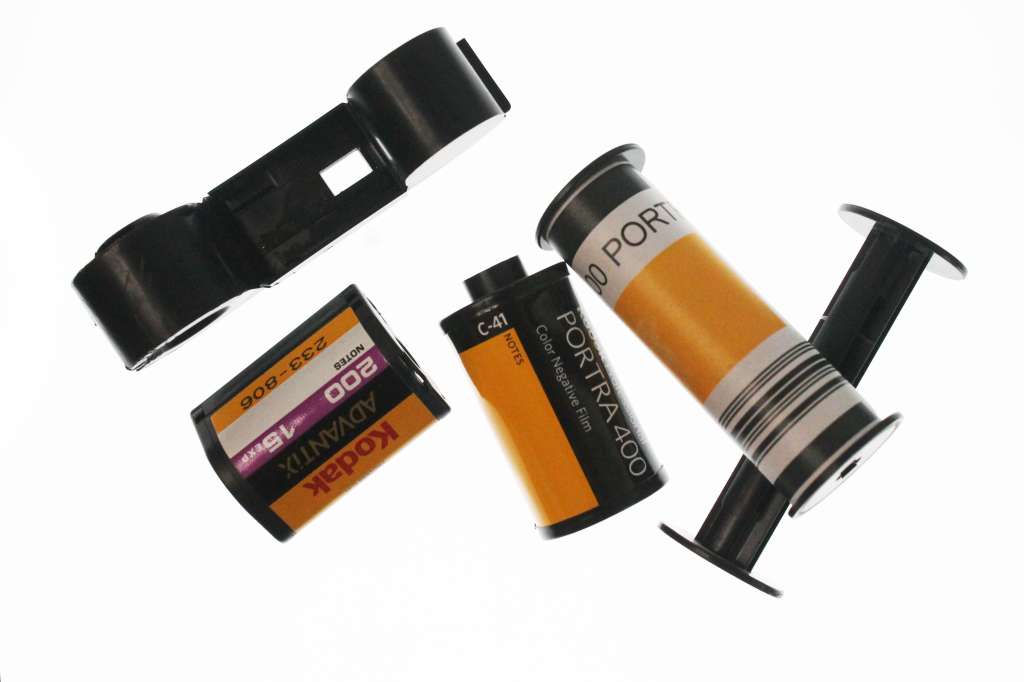
Connaissez-vous tous les formats de pellicules argentiques ?
Do you know all the different analog film formats?
There are quite a few, and after reading this article, they’ll hold no more secrets for you!
⋅ 135 format, disposable cameras
⋅ 120, 126, 127 formats
⋅ 110 format
⋅ APS format
⋅ 4×5" and 8×10" sheet film
110 FILM
Small but iconic. 110 cameras fit in the palm of your hand or in a pocket and are almost entirely automatic—about as simple as a disposable camera.
The film comes pre-loaded in a plastic cartridge that you insert directly into the camera, with no need to rewind.
Images measure 13×17 mm, about half the size of 35mm frames.

APS FILM
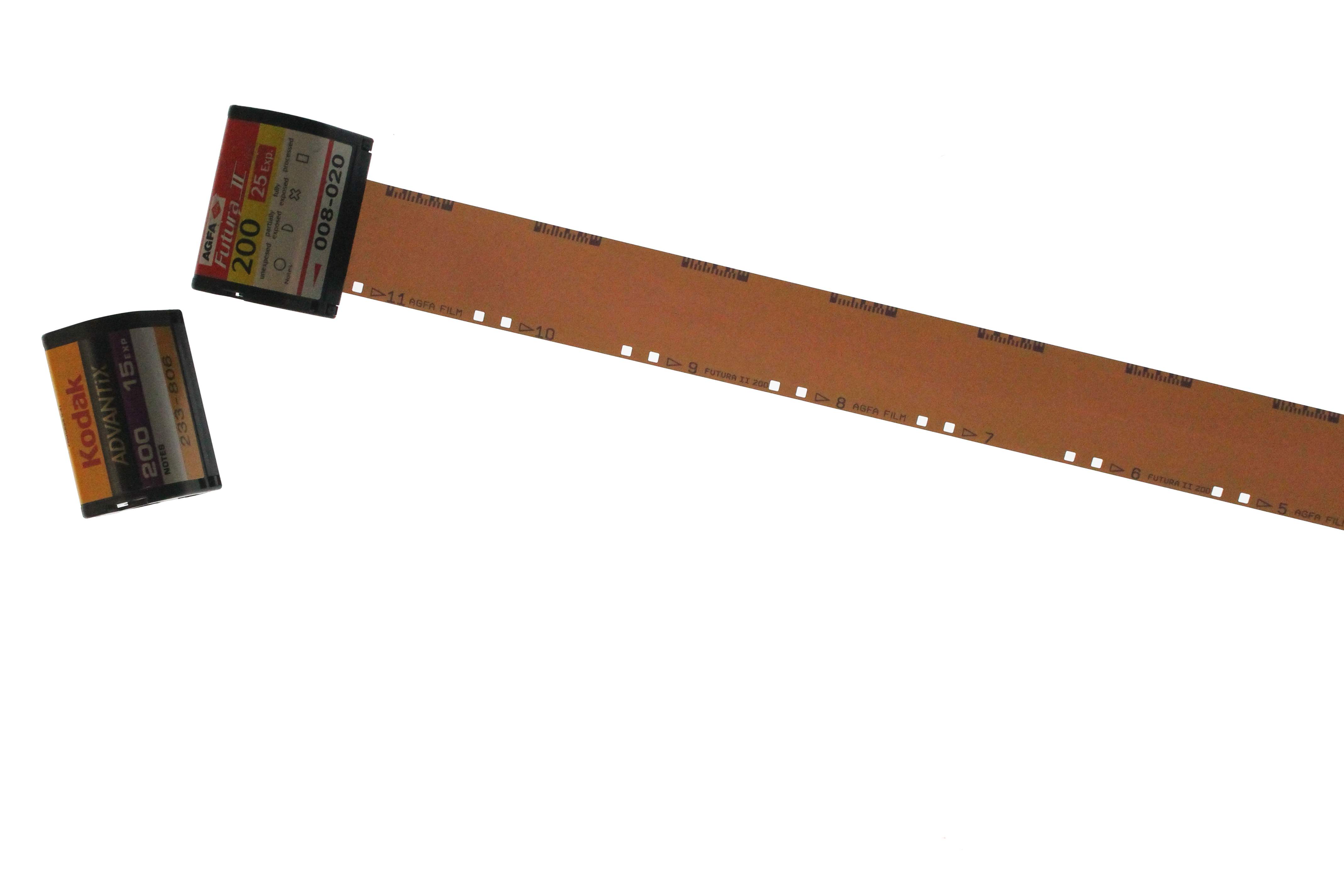
The APS format (Advanced Photo System) was originally designed to simplify analog photography. The film is contained in a compact, sealed cartridge that is easy to insert into the camera.
The system also offered three framing formats that could be selected directly on the camera:
⋅ C (Classic)
⋅ H (High Definition)
⋅ P (Panoramic)
The negative measures 24 mm wide, slightly larger than 110 film but a bit smaller than 35mm.
APS marked the late 1990s before gradually disappearing with the rise of digital photography. Film production stopped in 2011.
135 FILM
Born from cinema and miniaturized for photography, 135 film (35mm) made analog photography practical and accessible.
Each roll allows you to shoot up to about 36 photos in 24×36 mm format. Available as negative or positive (slide), in color or black and white, 135 film adapts to every photographic style.
Easy to load, develop, and scan, it has become the iconic format that democratized analog photography.
135 film works with a wide variety of cameras: SLRs, point-and-shoot cameras, disposable cameras, half-frame cameras, and even panoramic cameras.

120 FILM: MEDIUM FORMAT
The 120 format, or medium format, uses a roll of film backed by protective paper and wound on a metal or plastic spool.
The most common image sizes are: 6×4.5 cm, 6×6 cm, 6×7 cm, and 6×9 cm.
Each roll allows 8, 12, or 16 exposures depending on the camera.
Available in negative or slide film, color or black and white, 120 remains highly appreciated for its exceptional image quality.
Because the negative is larger, it captures more detail and clarity in each photo.

LARGE FORMAT
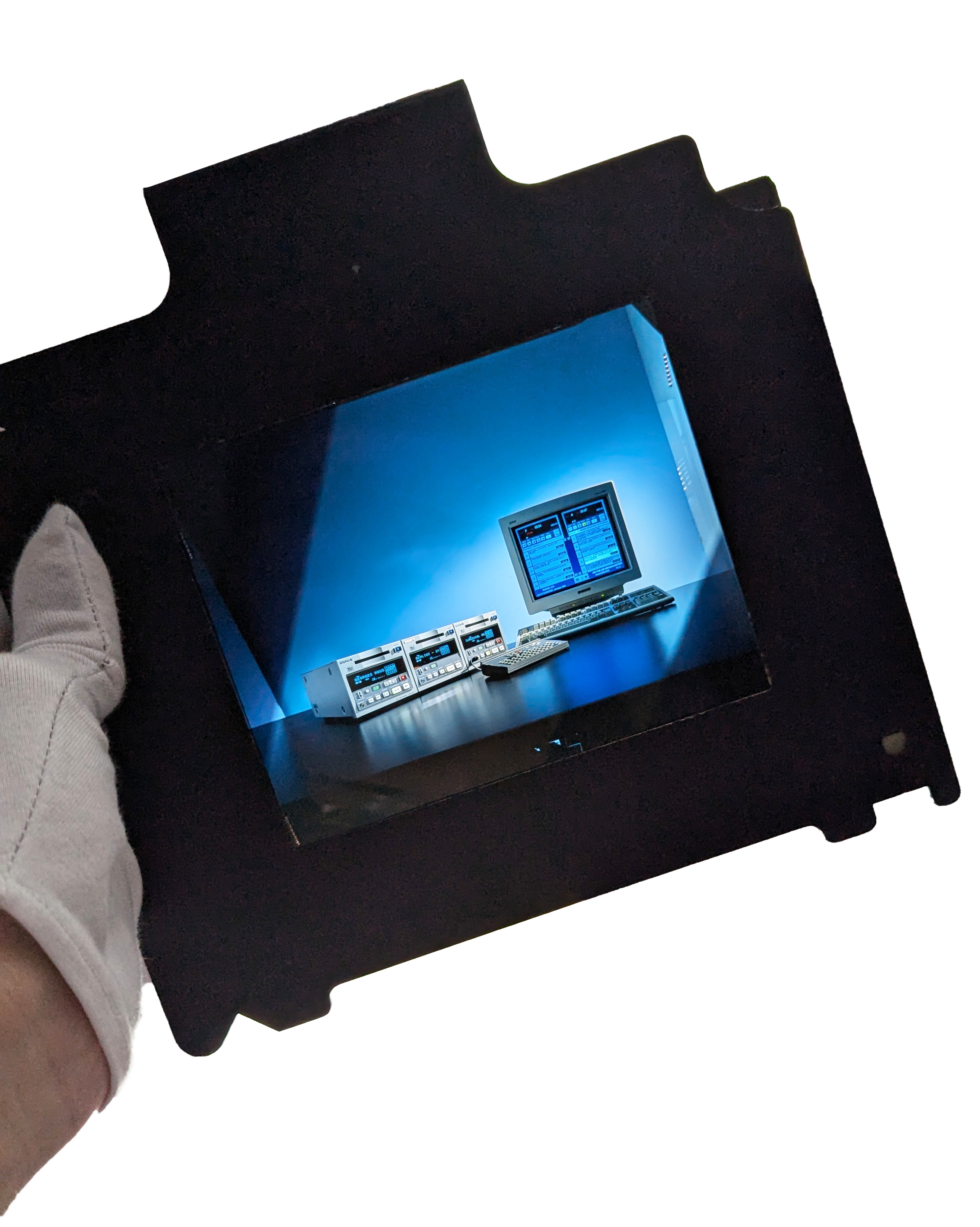
Large format photography uses individual sheets of film, also called sheet film.
The most common sizes are 4×5" (10×12 cm) and 8×10" (20×25 cm).
More bulky and expensive than 35mm or 120, large format is still highly valued for the exceptional quality, sharpness, and clarity made possible by the very large negatives.
AND AT NATION PHOTO?
Everything is possible: every film format has its place with us, just bring them in.
From tiny 110 cartridges to large 8×10" sheet film, we develop and digitize formats ranging from the most common to the rarest.