Kodak Ektacolor Pro is the new Portra
Published :
07/21/2026 16:16:29
Categories :
Lab news

New Kodak films?
At first glance, it certainly looks that waybut that's not exactly the case. Here's what's really going on.
Over the past few weeks, many film photographers have noticed the arrival of new Kodak boxes featuring unfamiliar names such as Ektacolor Pro, Kodacolor, and Ektapan, along with a new retro-inspired packaging design that even brings to mind the look of classic VHS tapes.
The first reaction is usually the same: "Has Kodak released new film stocks?"
The answer is simple: no. In most cases, the emulsions are exactly the same as the ones we've known for years. What has changed is mainly the product name, the packaging... and the distributor.
Why the change?
Following Kodak's restructuring in the early 2010s, two separate companies have coexisted:
⋅ Eastman Kodak, the American company and the original film manufacturer, which produces photographic film at its Rochester, New York facility.
⋅ Kodak Alaris, a British company based in the UK, which until recently handled the distribution of many Kodak photographic films under familiar names such as Portra, T-Max, Gold, and others.
For many years, Eastman Kodak manufactured the film, while Kodak Alaris was responsible for marketing and distributing it.
Today, Eastman Kodak is gradually taking back the distribution of its own films. The only complication is that some iconic product names, such as Portra and T-Max, are associated with Kodak Alaris, which holds the rights to those trademarks. As a result, Eastman Kodak is now selling the very same emulsions under new names and redesigned packaging.
New product name correspondence
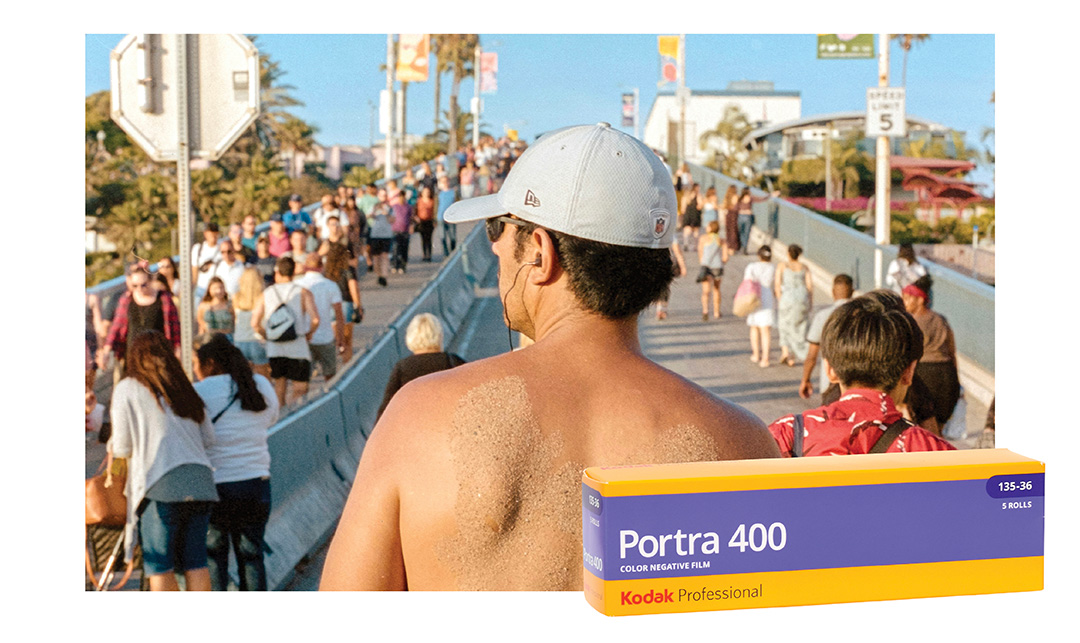
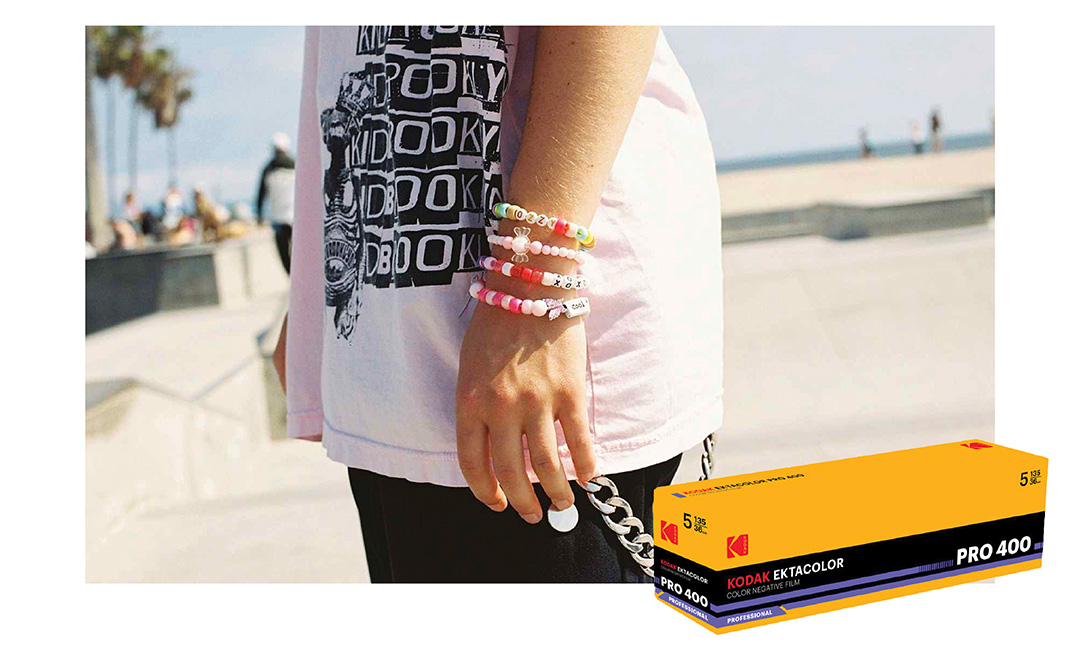
Kodak Alaris → Kodak Eastman
Pro Image 100 → Kodacolor 100 (most likely)
ColorPlus 200 → Kodacolor 200
Gold 200 → Gold 200
UltraMax 400 → UltraMax 400
Ektar 100 → Ektar 100
Ektachrome E100 → Ektachrome E100
Portra 160/400/800 → Ektacolor Pro 160/400/800
T-Max 100/400/P3200 → Ektapan 100/400/P3200
Tri-X 400 → Tri-X 400
The emulsion, ISO speed, grain, image rendering, and overall characteristics remain exactly the same.
The only possible exception is Kodacolor 100, which appears to correspond to Pro Image 100 and may exhibit slight differences.
So, if you love the look of Portra 400, you'll find exactly the same qualities in Ektacolor Pro 400. Likewise, T-Max users will feel right at home switching to Ektapan.
Why are some photographers happy about this?
This transition has been welcomed by many members of the analog photography community.
By taking direct control of film distribution, Eastman Kodak hopes to:
⋅ simplify the distribution chain;
⋅ improve film availability;
⋅ offer more stable pricing;
⋅ invest more heavily in film production.
Should you still buy Kodak Alaris versions?
Absolutely. Depending on the market, both versions are expected to coexist for several years.
So, you may still find in stores:
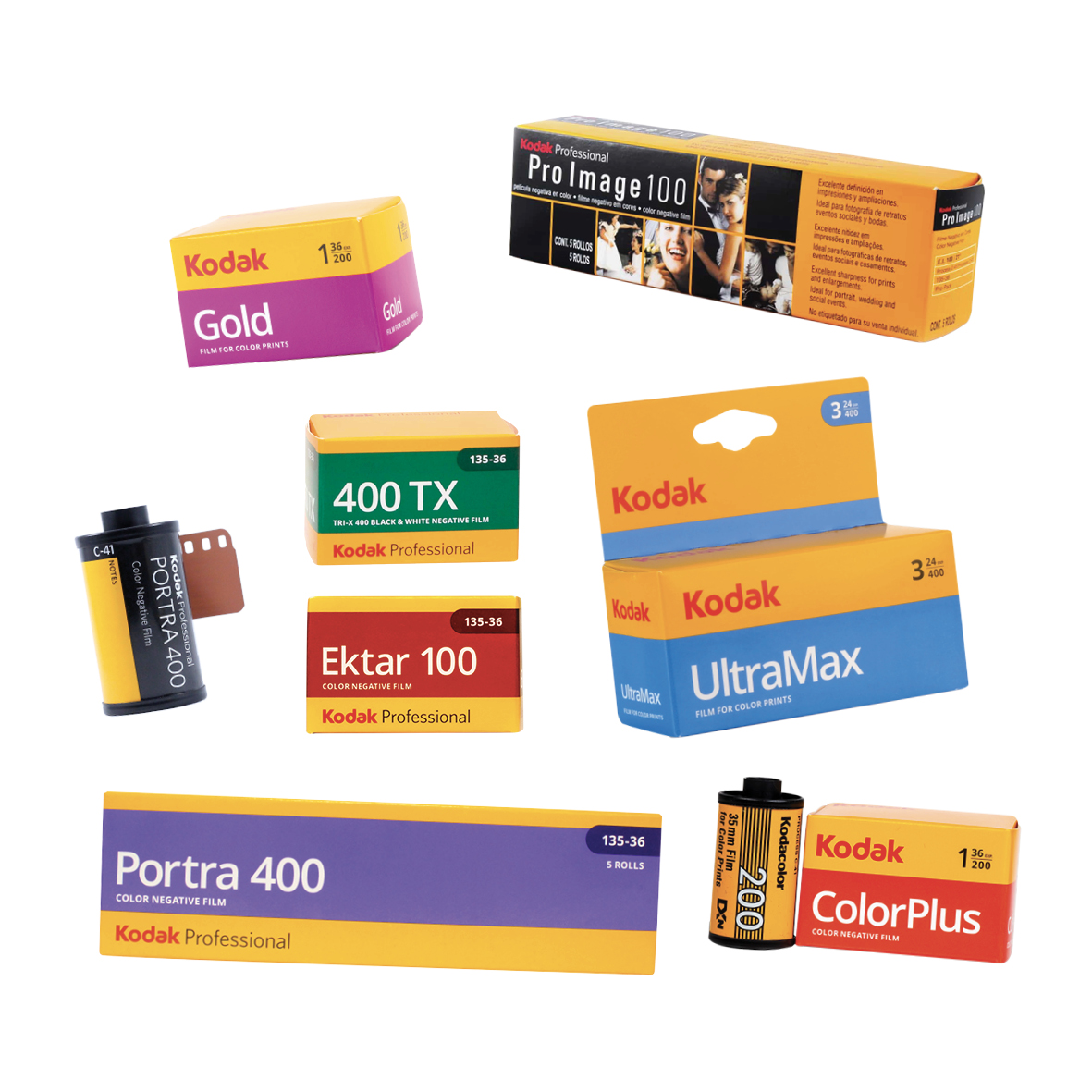
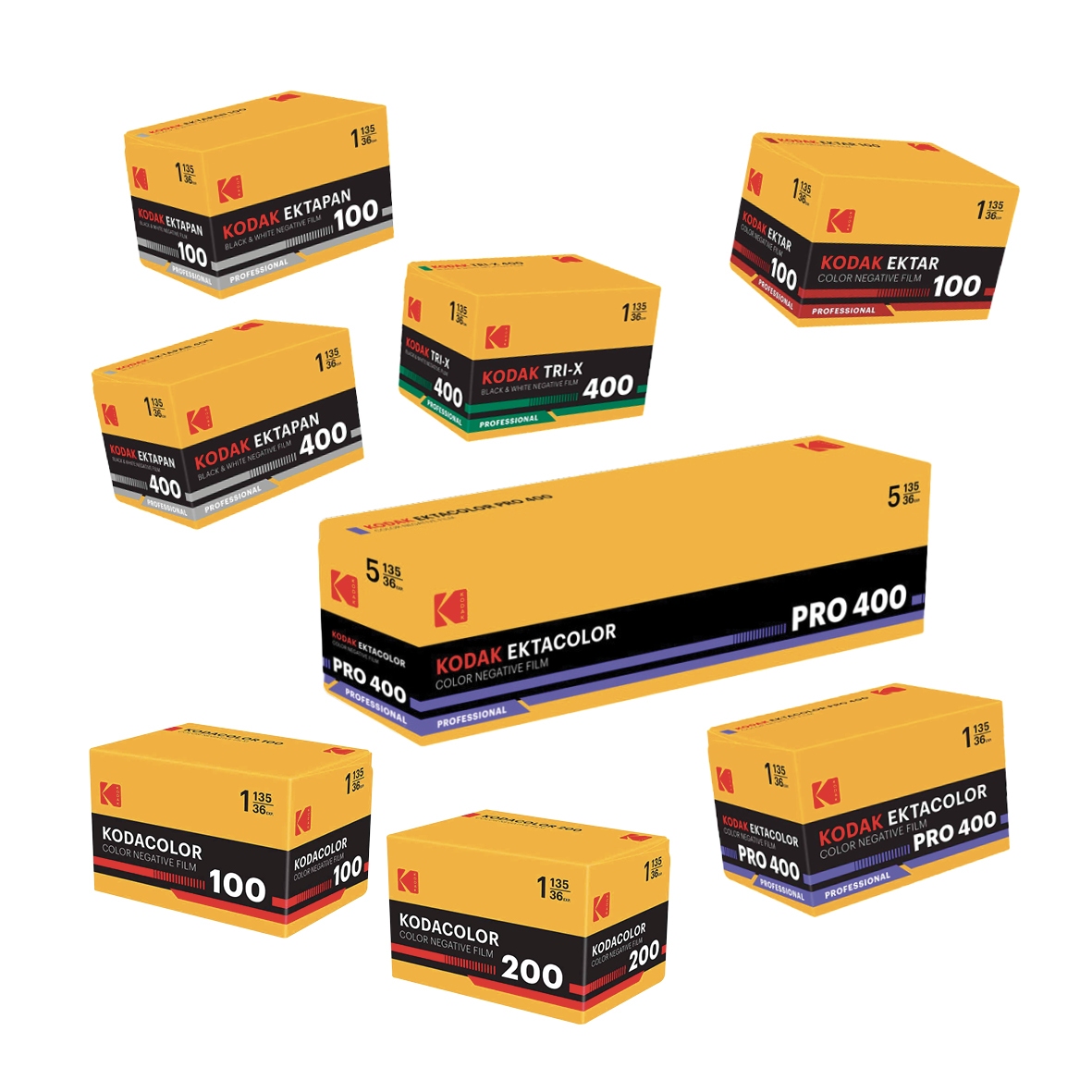
1. Kodak Alaris boxes (Portra, ColorPlus...) 2. Eastman Kodak boxes (Ektacolor Pro, Kodacolor...)
In both cases, you're buying the same film. The main differences are the product name, the packaging, and the distribution network, which may also affect the price.
Why does Ektar 100 or UltraMax 400 keep their names?
Not every Kodak film is being renamed. Some products, such as Ektar 100 and Tri-X 400, retain their historic names because Eastman Kodak is still able to market them under those trademarks. The name changes mainly affect films whose commercial names were associated with Kodak Alaris, such as Portra and T-Max.
As a result, Ektar 100 remains Ektar 100, while Portra 400 becomes Ektacolor Pro 400—without any change to the emulsion itself.
In summary
The exclusive distribution arrangement that Kodak Alaris had enjoyed since 2012 is coming to an end, as Eastman Kodak gradually resumes direct distribution of its photographic films.
So, if you start seeing Ektacolor Pro or Ektapan on store shelves, there's no need to worry. These are not new emulsions. They are the same films manufactured by Eastman Kodak as before, simply sold under different names. Their image quality and rendering remain identical to the Kodak Alaris versions.
For film photography enthusiasts, the biggest change is ultimately the packaging—the film itself remains every bit as good as ever.