How to choose your ISO settings ?
Published :
09/28/2026 20:00:00
Categories :
Lab news
Sun, clouds, rain: Which ISO setting should you choose?
A film’s ISO (International Organization for Standardization) rating refers to its sensitivity to light.
The ISO standard replaced the old American ASA system to create an international standard. That’s why you still see the term “ASA” on older cameras: the values and measurements remain the same!
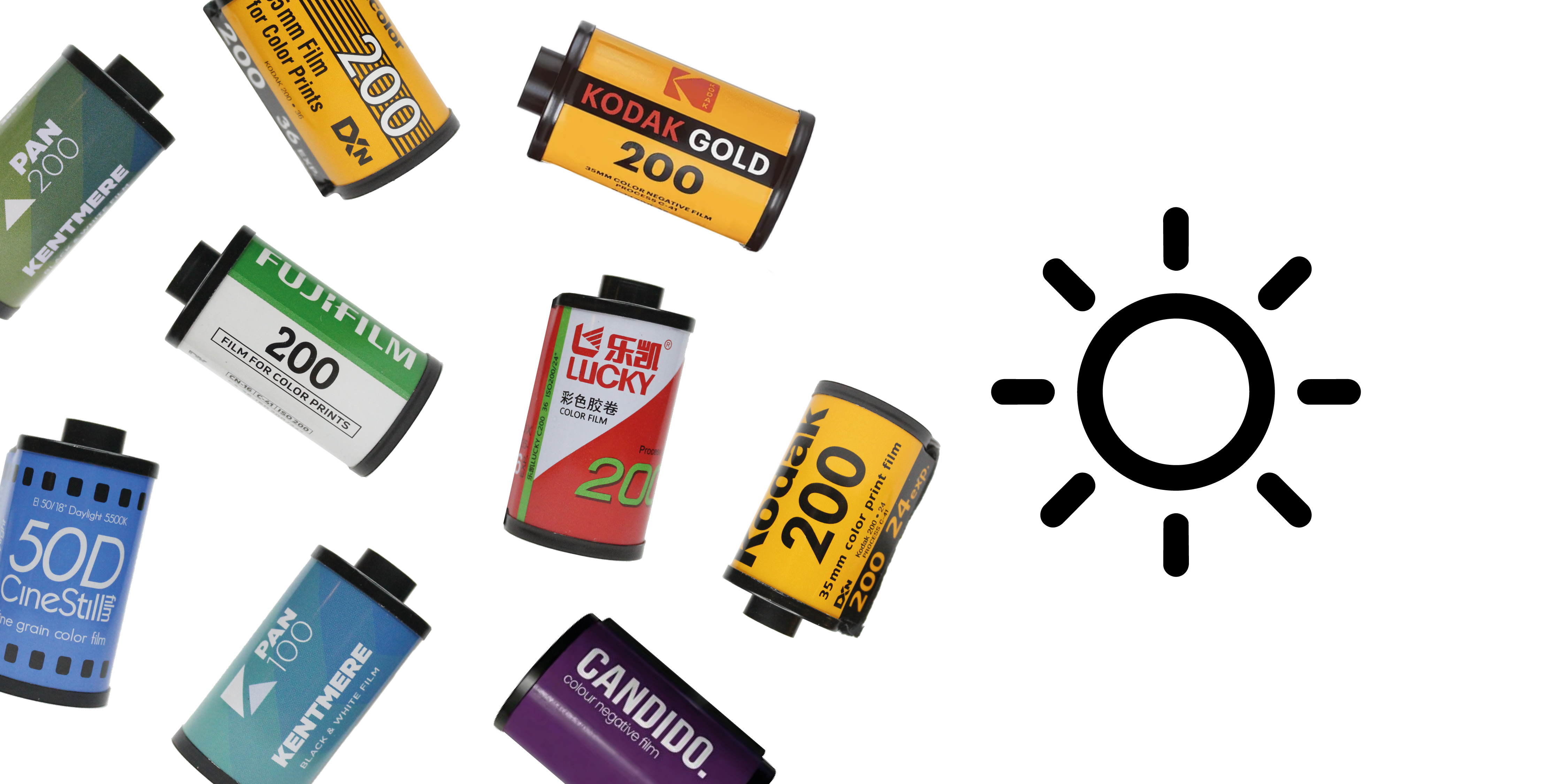
Sunny days: ISO 50–200
Films with ISO ratings between 50 and 200 are the ones to use to make the most of days with clear blue skies.
ISO 200 films work very well even with a few clouds and are perfectly suited for compact cameras.
These ISO ratings help preserve a very fine grain.
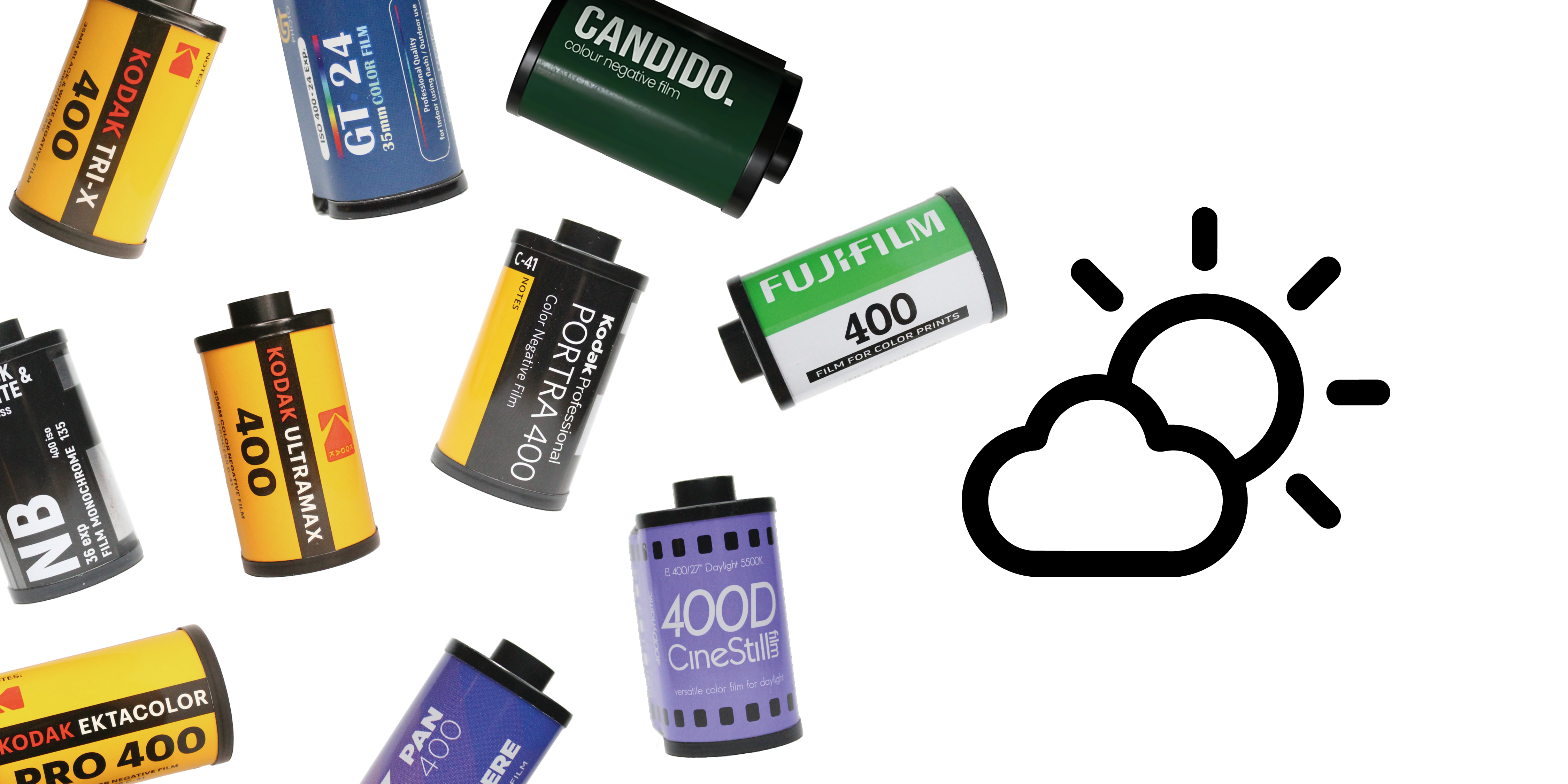
Cloudy days: ISO 400
It’s one of the most versatile sensitivities in film photography. ISO 400 films offer greater flexibility: on overcast days, at the end of the day, in well-lit indoor settings... ISO 400 films have slightly more visible grain than lower-sensitivity films, but the Portra 400 and T-Max 400 still have very fine grain.
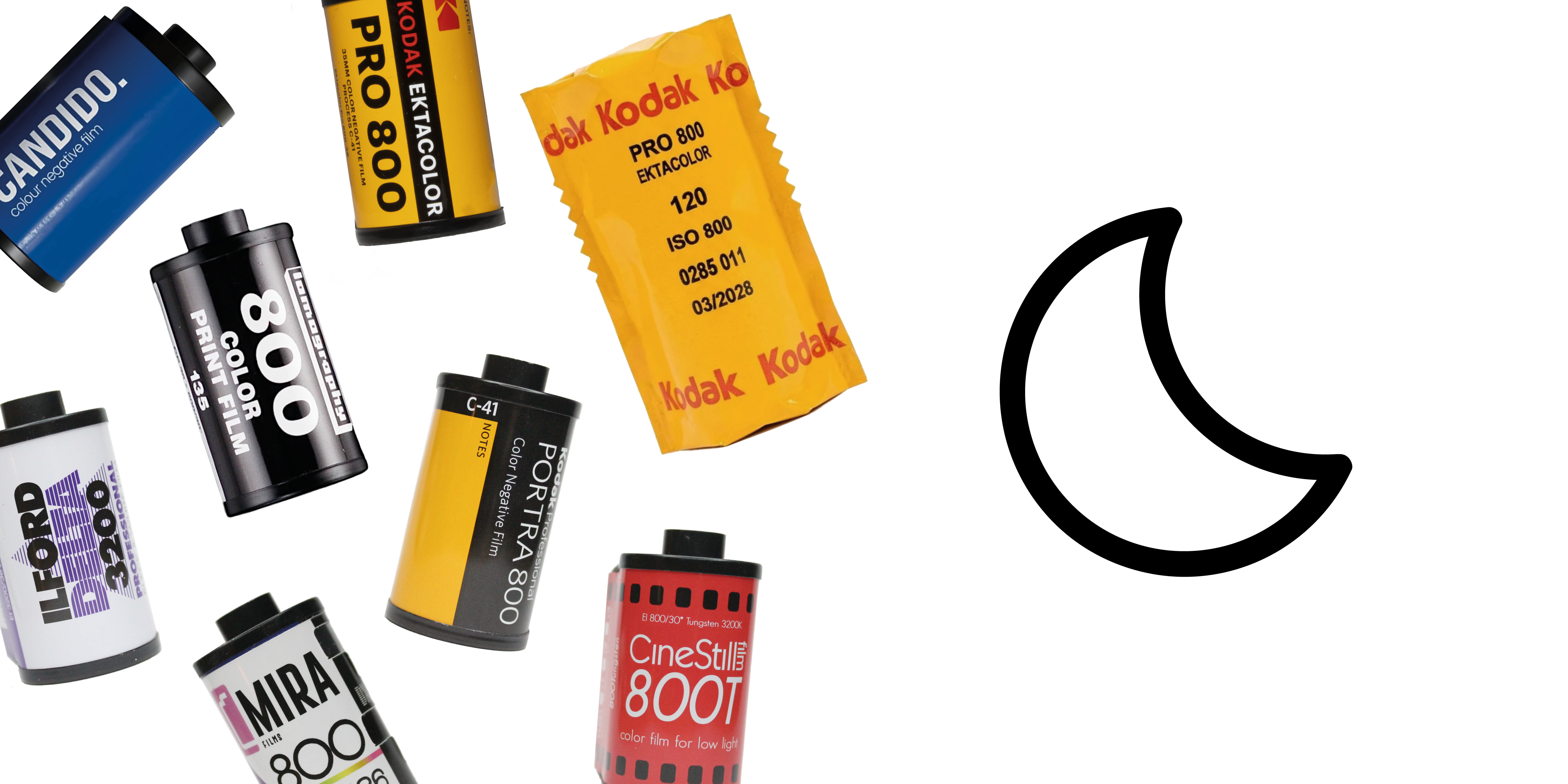
After dark: ISO 800 to 3,200
Designed to capture even the faintest light sources, these are the films to have as soon as night sets. With ISO ratings ranging from 800 to 3200, these films are perfect for capturing the atmosphere of concerts, dimly lit interiors, or parties. The higher the ISO, the more pronounced the grain becomes, as with the Ilford Delta 3200, which has a distinct texture.
What about the camera?
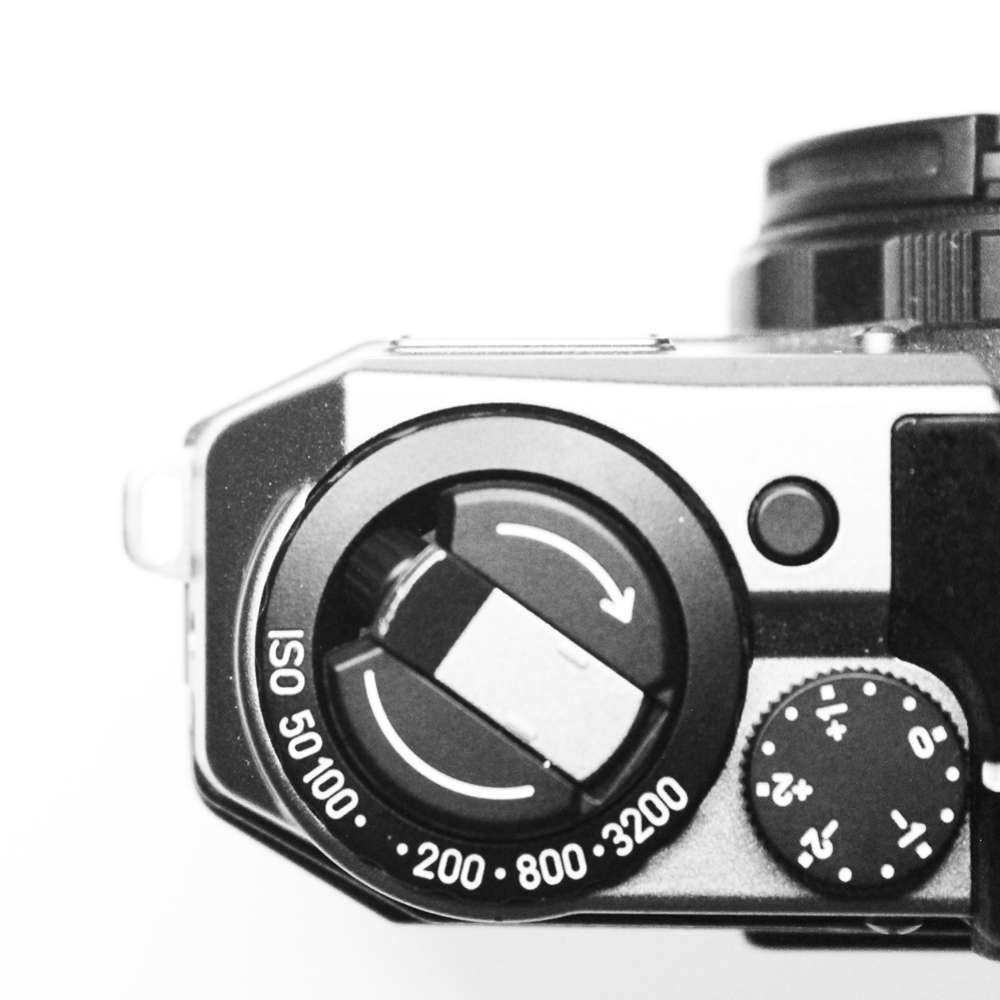
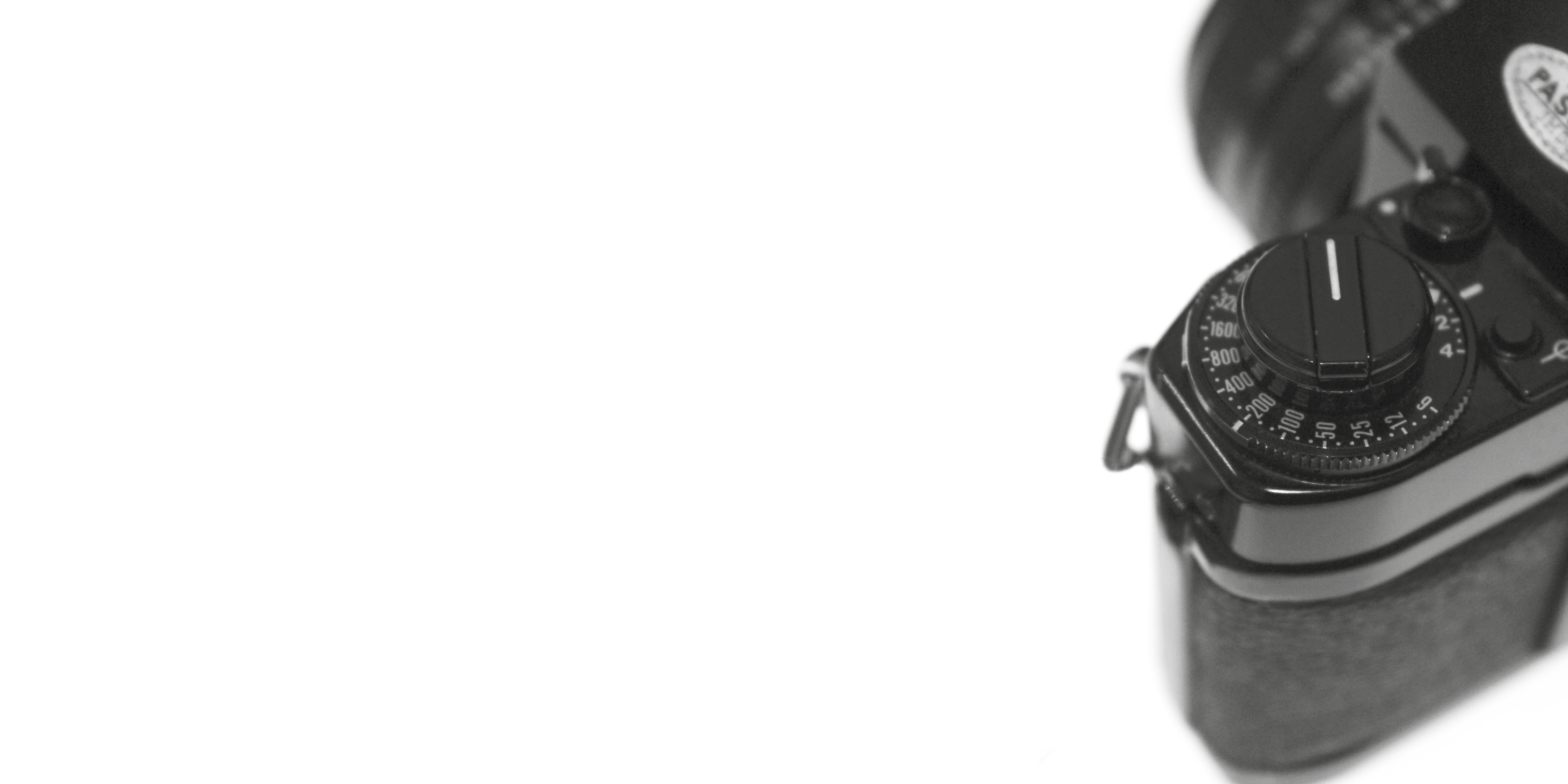
Once you've loaded the film into the camera, it's important to set the ISO on the camera to match that of your film. This setting allows the camera to correctly calculate the exposure based on the ambient light.
Or
The DX code is the small black-and-silver checkerboard pattern on your film cartridge. Thanks to the built-in sensor found on many cameras, such as point-and-shoot models, the ISO setting adjusts automatically when the film is loaded.

PUSH AND PULL
You can “push” your film when there isn’t enough light to achieve greater contrast and more grain. For example, this means exposing ISO 200 film at ISO 400.
Conversely, “pulling” your film allows you to handle very bright light while softening the contrast.
Remember, the ISO sensitivity applies to the entire roll of film, you must never change the ISO while you’re shooting!
Be sure to let your photo lab know when you drop off your film so they can adjust the development process to match the ISO you’ve chosen.
PUSH YPUR FILM - Read the blog